LATEST FIELD VIDEO Do lure colours really make a difference when bass fishing?
Original BassLureFish evidence · UK sea bass

Metal jigs vs soft plastics for bass: filmed tests

Explore the lure-family comparison and related jigging sessions, with each outcome kept separate.

What the evidence can tell us

Our jig-related records include comparisons with soft plastics and sessions using a jigging method. These are different kinds of evidence. Use each record's question and result to see whether it is a direct comparison or a demonstration of a technique working on that day.

2 relevant original videos. Read each result with its conditions; these are source records, not a pooled experiment.

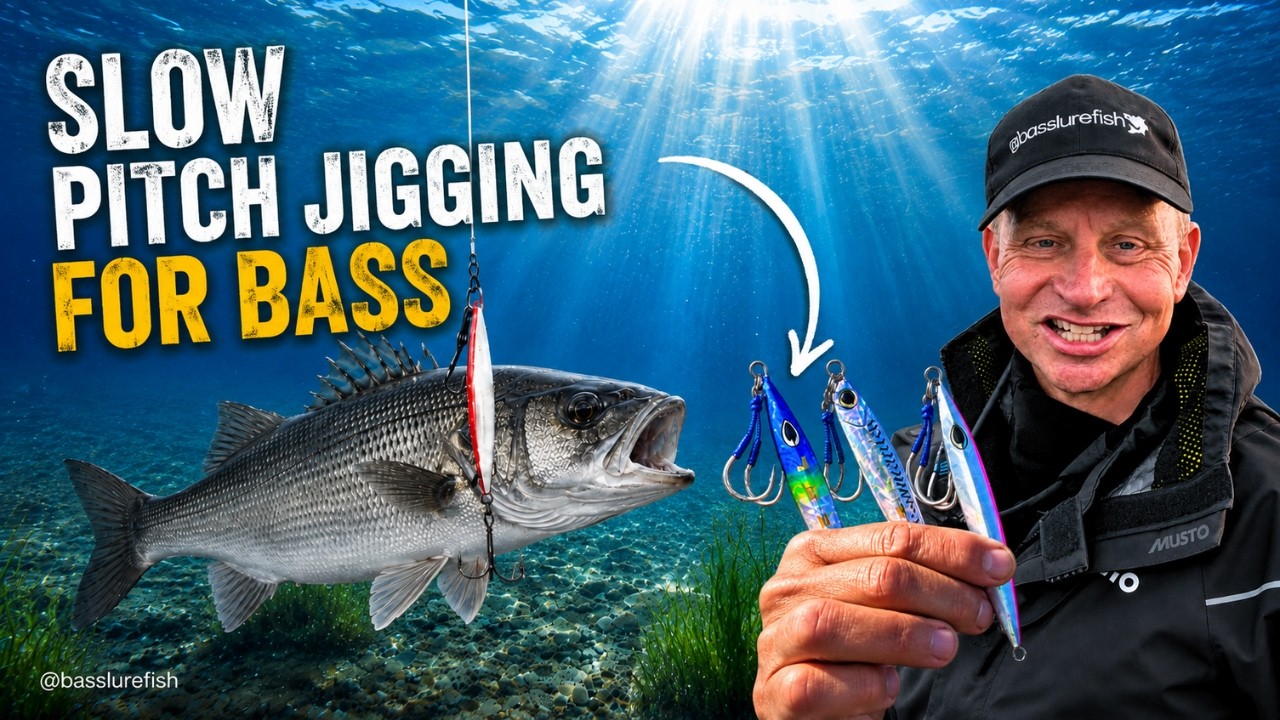
Slow Pitch Jigging for Bass: The Method That Caught Our Biggest Fish
Start with the footage · #15

Slow Pitch Jigging for Bass: The Method That Caught Our Biggest Fish

Yes in this session: slow-pitch jigging produced our biggest fish of the trip.

To save it, use YouTube’s Save / Watch later control. Opening the video does not save it. Sharing is your choice.

Read the full result and source notes →

Follow the evidence back

The recorded results.

Compare 2 tests side by side →

Newest first, with older tests retained below. Catch counts, equipment impressions and overviews answer different questions.

#15

Yes in this session: slow-pitch jigging produced our biggest fish of the trip.

Not supplied in structured notes: lures, lure weight, lure size, method, retrieve, depth, effort.

Limits: The method was tested on one trip and fish location mattered as much as technique. It is not evidence that slow pitch will outfish all other methods.

#7

Is a Metal Jig Better than Soft Plastics for Bass?

curated field notes · Published 2026-06-21

We compared two very different lure families—metal jigs and soft plastics—on the same bass fishing trip.

Not supplied in structured notes: lures, lure weight, lure size, method, retrieve, depth, effort.

Limits: The two lure families differ in sink rate, action, profile and depth control, so the result reflects whole presentations rather than material alone.

Compare a lure family with care

A metal jig and a soft plastic may differ in weight, profile, action and how they are worked. A practical comparison can show which approach caught in that session without isolating the material as the cause.

Keep a method result separate

A successful slow-pitch session demonstrates the reported outcome of that approach. It does not automatically establish an advantage over every soft-plastic presentation. Check whether an alternative was actually fished alongside it before making a comparative claim.

Choose the relevant footage

Start with the direct comparison if you are deciding between approaches. Use the method session to inspect the presentation and tackle. The links below keep both paths available, including older videos that answer a more specific question than the latest upload.

Common questions

Does the biggest fish establish the best lure family?

No. It is a recorded outcome, but it does not account for all fishing effort, conditions or alternative presentations.

Can I assume every jig in the catalogue weighs the same?

No. Use only the weights supplied for the individual session. Missing values remain unspecified.

How this guide stays current

Eligible new BassLureFish long-form videos are linked automatically. Labelled results and conditions come from the latest successfully retrieved description, or identified original field notes. A source check alone does not create a new finding. Missing measurements remain gaps.

Read our testing approach · Sources and corrections · Suggest a follow-up test

Privacy choices

Optional website action counts are off until you allow them. This controls optional BassLureFish action counts. Where this theme manages Analytics consent, it also controls Google Analytics storage. If a separate consent banner is installed, its Analytics choice applies too.

Optional counts are off unless previously allowed.